Everyday habits that support family health without chasing perfection or fearing every sniffle.
The backpacks are packed. The lunches are made. The school year is underway.
And then someone comes home with a runny nose.
Back-to-school season means children are once again spending their days in classrooms, cafeterias, buses, locker rooms, sports facilities, and other shared spaces. Naturally, that also means more opportunities for common illnesses to make their way through the household.
While there's no way to guarantee your family won't get sick, there are simple habits that can support overall health and reduce the spread of germs.
Start With the Basics
Sometimes the most effective health habits aren't particularly exciting.
Regular handwashing is one of them.
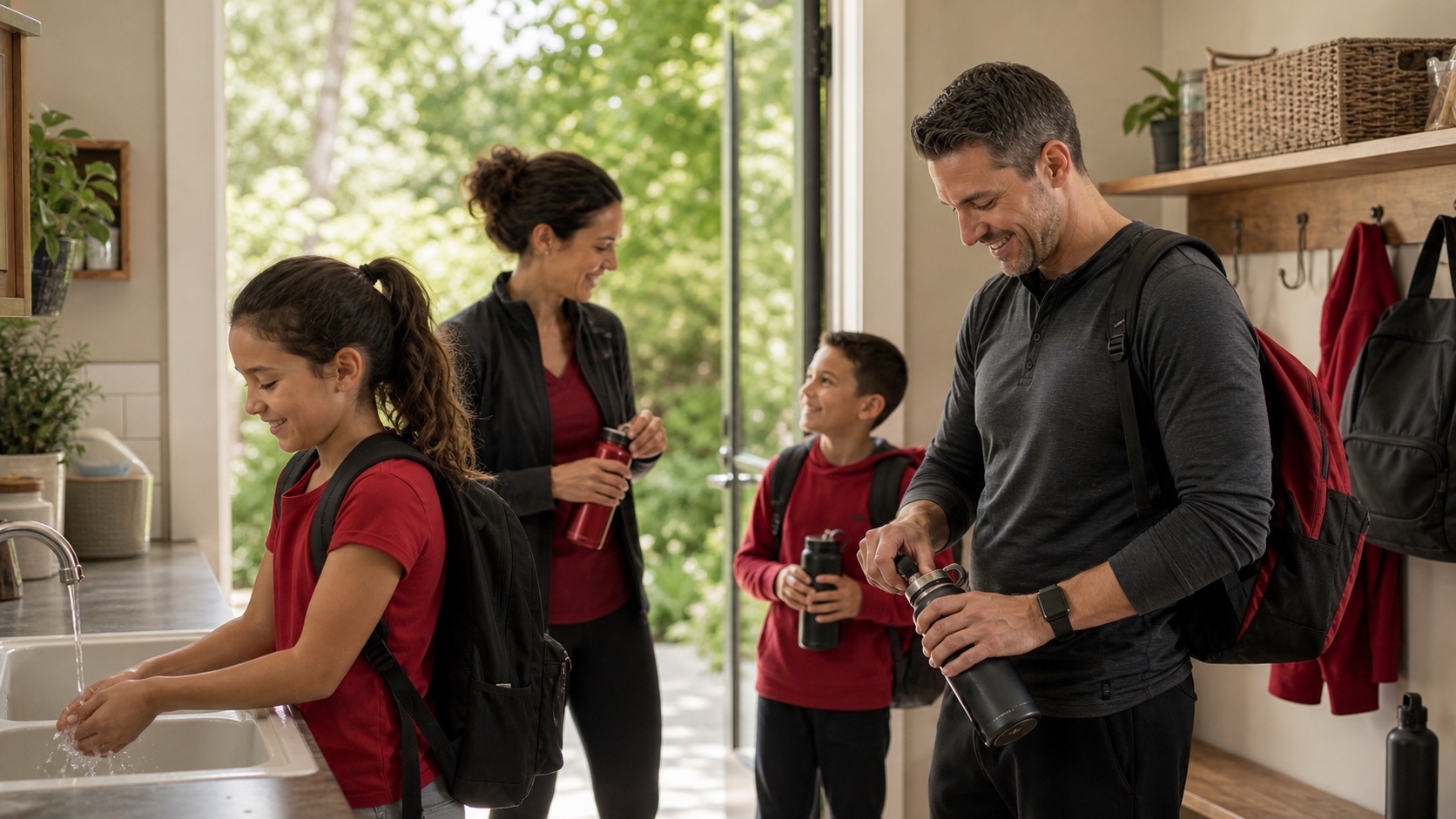
Encourage children to wash their hands with soap and water, especially after using the bathroom and before eating. At home, handwashing when everyone returns from school, work, activities, or errands can become an easy routine.
It's also helpful to teach kids not to share water bottles, utensils, or other personal items.
And when someone is sick, everyday measures such as covering coughs and sneezes and cleaning frequently touched surfaces can help limit the spread of germs.
Prioritize Sleep
When schedules get busy, sleep often gets squeezed.
But adequate sleep is an important part of supporting overall health and immune function.
A consistent bedtime routine can make sleep easier, particularly when children are transitioning away from summer schedules.
Adults should pay attention to their sleep, too.
Staying up late to finish chores after everyone else goes to bed may feel productive in the moment, but consistently sacrificing sleep isn't an ideal long-term strategy.
Sometimes the healthiest thing left on the evening to-do list is going to bed.
Focus on Everyday Nutrition
Back-to-school season also tends to bring a flood of products promising to “boost” immunity.
It's easy to feel as though your family needs a cabinet full of special supplements.
Before chasing the latest product, focus on the basics.
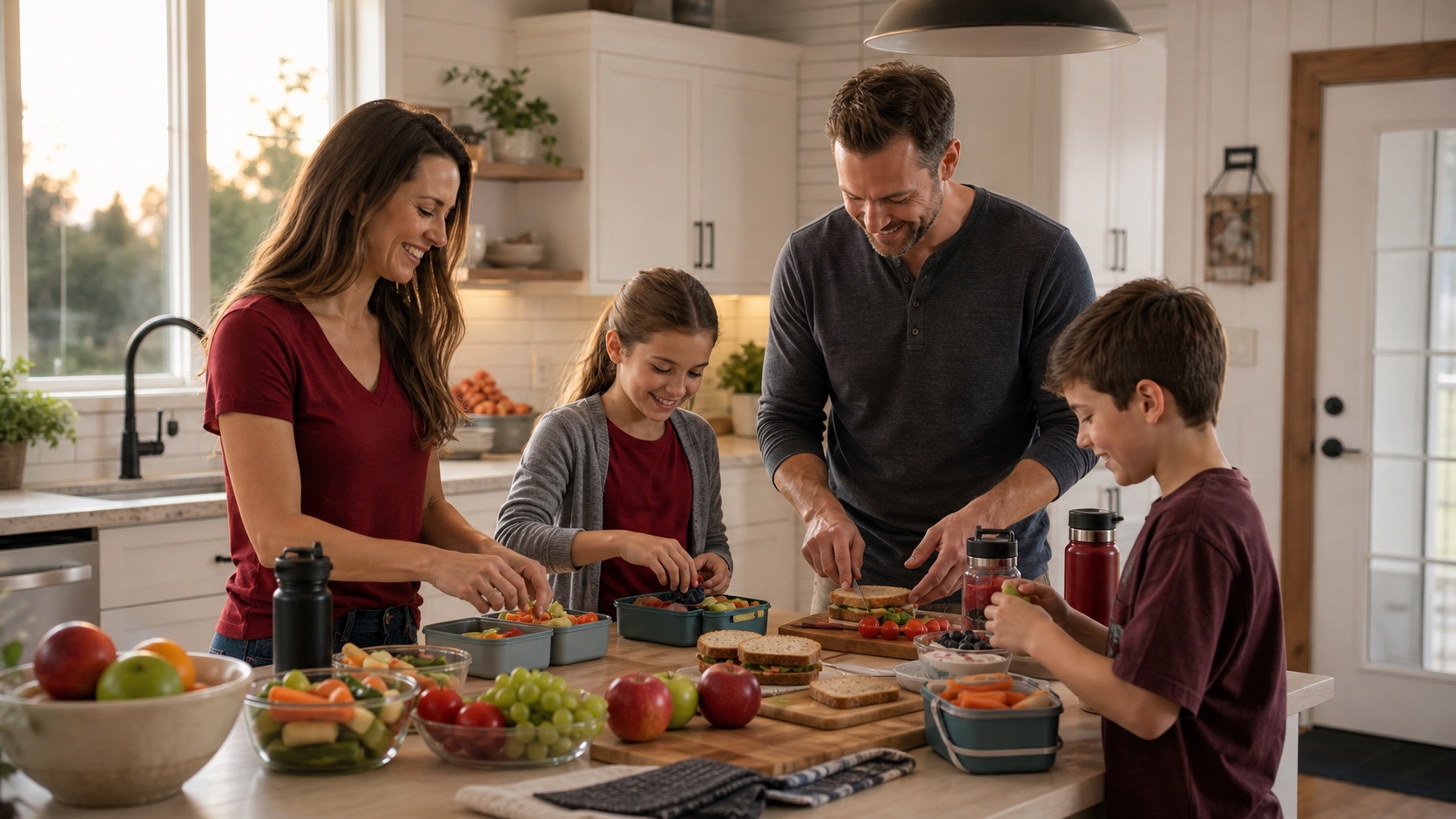
A varied diet that regularly includes fruits, vegetables, protein-rich foods, whole grains, and healthy fats provides nutrients the body needs to function normally.
Try making produce easy to grab.
Wash fruit when you bring it home. Keep frozen vegetables available for quick dinners. Add berries to breakfast. Put sliced vegetables alongside foods your kids already enjoy.
It doesn't need to be complicated.
Keep Everyone Hydrated
Between school, work, sports, and activities, it's surprisingly easy to reach the end of the day without drinking much water.
Reusable water bottles can help make hydration more convenient.
For kids, attaching the habit to something they already do can help:
- Fill the bottle before leaving home.
- Drink at lunch.
- Refill before practice.
- Bring it home and wash it.
Small routines reduce the amount of remembering required.
Keep Moving
Regular physical activity supports physical and mental health for children and adults.
And movement doesn't have to mean structured exercise.
- Walk the dog.
- Ride bikes.
- Play outside.
- Take a family walk after dinner.
- Dance in the kitchen.
- Kick a soccer ball around the yard.
The best type of movement is often the kind your family actually enjoys enough to repeat.
Know When Rest Is the Right Choice
Healthy living isn't about pushing through everything.
When someone isn't feeling well, rest matters.
It's okay to miss a workout. It's okay for the schedule to change. It's okay for dinner to be simple.
And when symptoms are concerning, severe, persistent, or you're unsure what your child needs, contact your healthcare provider for individualized guidance.
Build Health Into the Routine
Supporting your family's health doesn't require living in fear of every germ that enters the classroom.
Instead, return to the habits that matter throughout the year:
- Sleep.
- Nutritious food.
- Hydration.
- Movement.
- Good hygiene.
- Rest when it's needed.
None of these habits are flashy. But practiced consistently, they create a strong foundation for a healthier school year.
And that's a much more sustainable goal than trying to make sure nobody in the house ever gets a runny nose again.
Dedicated To Your Success,
TBS Team
Contact us or follow us on social media for the latest updates, resources, and deals.
This article is for general education and does not replace individualized medical advice. Talk with a qualified healthcare professional about symptoms, diagnoses, or treatment decisions.